Unlocking the Potential of Spider Web Drawings: From Gothic Art to Modern Design
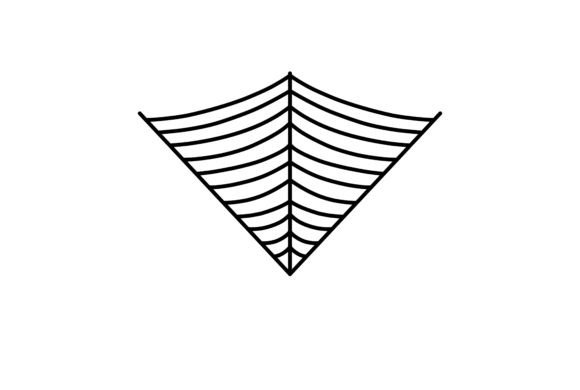
Are you looking for a spider web design that captures the perfect balance of eerie charm and artistic precision? Whether you are a seasoned graphic designer or a hobbyist crafting your first Halloween decoration, the spider web remains one of the most iconic symbols in visual culture. This transparent cartoon illustration might be just right for your next project, offering a versatile foundation for creativity. By understanding the history, application, and technical aspects of these designs, you can amaze your customers and elevate your personal projects with scary yet sophisticated signage and artwork.
The allure of the spider web extends far beyond simple holiday decorations. It is a staple of gothic aesthetics, a symbol of complexity in nature, and a powerful tool in modern digital design. When you utilize high-quality creative graphics, such as those optimized for Cricut machines or professional printing, you are tapping into a rich tradition of storytelling through imagery. These designs are not merely pictures; they are functional assets that bridge the gap between traditional artistry and contemporary technology.
The Significance of the Spider Web in Visual Culture
To truly appreciate a spider web drawing, one must understand its context. Historically, the web has represented entrapment, fate, and the intricate connections of life. In literature and film, it often signals danger or the presence of the supernatural. However, in the realm of design, it has evolved into a decorative element that signifies the autumn season, Halloween festivities, and the broader gothic subculture.
When selecting a design for your work, consider the emotional response you wish to evoke. A scary design sign can create immediate tension and excitement, perfect for haunted attractions or horror-themed marketing. Conversely, a whimsical cartoon illustration can soften the edge, making the imagery suitable for children's parties or playful greeting cards. The versatility of the spider web allows it to fit seamlessly into various narratives, from the terrifying to the adorable.
Common misunderstandings often arise regarding the complexity of these images. Many assume that a spider web is too intricate to be used effectively in cut-out projects or small-scale prints. However, modern vector and high-resolution raster files have solved this issue. With the right source file, even the finest strands of a web can be rendered clearly, ensuring that your final product looks professional regardless of the medium.
Practical Applications in Crafting and DIY Projects
One of the most exciting aspects of modern digital art is its compatibility with cutting machines. If you want to cut something out of paper, vinyl, or cardstock, a creative graphic optimized for Cricut is indispensable. These files allow crafters to produce intricate lace-like patterns that would be nearly impossible to cut by hand with consistent precision.
- Invitation Cards: Add a spooky border to birthday invites or event announcements.
- Stickers: Create durable, weather-resistant decals for laptops, water bottles, or car windows.
- Scrapbooking: Layer web designs over photos to create themed memory pages.
- Greeting Cards: Design unique Halloween cards that stand out in the mailbox.
The process is straightforward. You download the digital file, import it into your cutting software, and let the machine do the work. The result is a clean, sharp image that retains all the delicate details of the original artwork. This accessibility has democratized design, allowing anyone with a home cutter to produce professional-grade materials.
Integrating Gothic Artwork into Digital Media
Beyond physical crafts, spider web illustrations play a crucial role in the digital landscape. Usage examples for gothic artwork are vast, ranging from blog headers to full website backgrounds. In an era where visual content drives engagement, having a library of high-quality assets is essential for content creators and business owners alike.
For bloggers and website owners, a well-placed spider web graphic can set the tone for a seasonal campaign without overwhelming the text. It serves as a visual cue that instantly communicates the theme to the visitor. Similarly, for social media managers, these elements can be used to create eye-catching stories, posts, and banners that encourage interaction during the Halloween season.
Book covers are another significant area where these designs shine. Authors in the horror, mystery, and thriller genres often rely on atmospheric imagery to attract readers. A transparent spider web overlay can add depth and texture to a cover design, suggesting hidden dangers or complex plots without obscuring the title or author name. This subtle integration of art and function is what makes high-quality digital assets so valuable.
Technical Specifications and Software Compatibility
When working with digital graphics, technical specifications are paramount. A low-resolution image may look acceptable on a screen but will appear pixelated and unprofessional when printed. This is why understanding file formats and resolution is critical for achieving the best results.
The ideal spooky picture for professional use should offer high fidelity. For instance, a file size of 4936x3319 pixels at 762 DPI (dots per inch) ensures that the image is crisp and clear, even when printed on large formats like banners or posters. This level of detail is particularly important for printing on paper, where the texture of the material can sometimes soften fine lines.
Furthermore, versatility in file formats is key. Having access to both PNG and JPG files within a ZIP folder provides flexibility for different workflows:
- PNG (Portable Network Graphics): Best for designs requiring transparency. This allows you to place the spider web over any background color or image without a white box surrounding it. It is essential for layering in Photoshop or creating stickers.
- JPG (Joint Photographic Experts Group): Ideal for photographs or situations where file size needs to be minimized for web loading speeds, though it does not support transparency.
These digital files are compatible with a wide range of designer software. Whether you are using industry standards like Adobe Photoshop and Illustrator, or free alternatives like GIMP and Photoshop Elements, the universal nature of these formats ensures you can edit, resize, and manipulate the artwork to fit your specific needs. This compatibility empowers users to customize colors, adjust opacity, or combine the web with other elements to create a unique composition.
Maximizing Business Potential with Print on Demand
For entrepreneurs, the rise of print-on-demand (POD) services has opened new avenues for monetizing creative designs. Spider web graphics are perennial sellers in the POD market, especially leading up to October. By utilizing high-resolution, transparent illustrations, you can apply your designs to a myriad of products without holding inventory.
Imagine offering a line of business cards with a subtle gothic web pattern for a niche client, or selling custom banners for local haunted houses. The scalability of digital art means you can create one master design and adapt it for t-shirts, mugs, tote bags, and phone cases. The key to success in this arena is quality. Customers can easily distinguish between a generic, low-effort clip art image and a professionally crafted illustration. Investing in premium assets, such as those found in specialized scary art shops, gives you a competitive edge.
Moreover, these designs are not limited to Halloween. The gothic aesthetic has a year-round audience among fans of dark academia, horror movies, and alternative fashion. By framing your spider web designs as part of a broader artistic movement rather than just a seasonal novelty, you can extend their relevance and sales potential throughout the year.
Building a Broader Understanding of Digital Assets
Ultimately, the value of a spider web drawing lies in its ability to transform a blank canvas into a story. Whether you are a teacher creating engaging classroom materials, a parent organizing a family party, or a designer building a brand identity, these graphical elements serve as powerful tools of expression.
It is important to remember that the "scary" aspect is subjective. What terrifies one person might delight another. This subjectivity is what makes the spider web such a dynamic design element. It can be rendered in neon colors for a retro vibe, in stark black and white for a classic horror feel, or in soft pastels for a cute aesthetic. The possibilities are limited only by your imagination and the quality of your source files.
As you explore the world of digital design, keep in mind the importance of sourcing reputable files. Look for vendors who provide detailed specifications, multiple file formats, and high-resolution outputs. Visiting a dedicated shop for scary art can provide you with a curated selection of images that have been tested for quality and usability. This ensures that when you download a ZIP folder, you are getting a product that will perform flawlessly across all your intended platforms.
In conclusion, the spider web is more than just a strand of silk; it is a versatile design motif that bridges the gap between fear and fascination. By leveraging high-quality transparent illustrations, understanding the technical requirements of print and digital media, and exploring the diverse applications from Cricut cuts to book covers, you can unlock the full potential of this gothic icon. So, whether you are designing a banner for a local event or creating a digital masterpiece for the web, let the intricate beauty of the spider web guide your creative journey.