Unlocking the Potential of Jungle Paradise Botanical Clipart for Professional Design
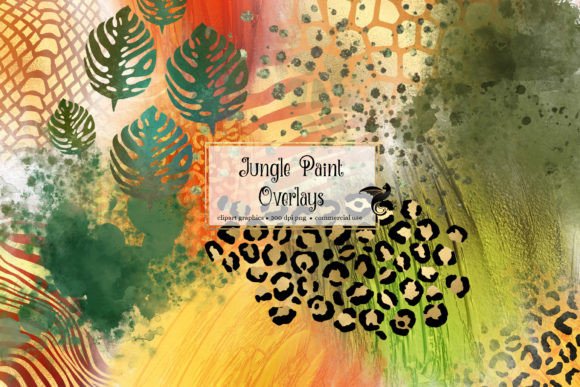
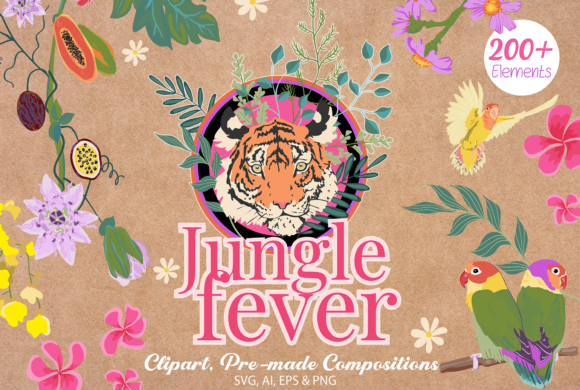
The allure of the tropics has long captivated designers, bringing a sense of vibrancy, life, and exotic elegance to visual projects. Whether you are crafting a brand identity for a new resort, designing wedding invitations with a lush theme, or creating surface patterns for fashion textiles, the right assets are crucial. This is where the Jungle Paradise Botanical Clipart collection becomes an invaluable resource. Comprising 200 individual hand-drawn illustrations, this set offers a rich tapestry of tropical flowers, plants, birds, tigers, zebras, and ethnic tribal elements. However, simply downloading a pack of images is not enough to guarantee professional results. Many creators, from seasoned professionals to enthusiastic hobbyists, often overlook critical details regarding file formats, resolution, and licensing that can make or break a project.
Understanding what makes this specific collection unique is the first step toward leveraging it effectively. Unlike generic stock photos that can feel sterile or overused, this set features hand-drawn aesthetics that add a human touch to digital designs. The inclusion of both realistic safari animals and stylized ethnic tribal elements allows for a versatile range of applications, from playful party decor to sophisticated branding. Yet, a common mistake occurs when users assume all files within such a comprehensive pack are ready for every type of output without inspection. Failing to distinguish between raster and vector files can lead to frustrating outcomes, such as pixelated logos or inability to edit colors.
Avoiding the Resolution Trap in Print Projects
One of the most frequent errors designers make involves misunderstanding the difference between the PNG and vector files included in the Jungle Paradise Botanical Clipart set. The collection provides PNG files at 300 DPI with transparent backgrounds, which are excellent for many purposes. However, some beginners mistakenly believe that a 300 DPI PNG is sufficient for large-scale printing, such as wallpaper or oversized posters. While 300 DPI is the standard for high-quality print, it is dependent on the physical dimensions of the image. If you stretch a small PNG element to cover a large wall, the image will lose clarity and appear blocky.
To avoid this pitfall, always prioritize the AI and EPS editable vector files for any project where scaling is required. Vector files use mathematical paths rather than pixels, meaning you can resize a tiger illustration from the size of a business card to the size of a billboard without any loss of quality. Before starting a large-format project, open the AI or EPS file in your preferred software like Adobe Illustrator or Inkscape. Verify that the paths are clean and that the elements are grouped logically. This simple check ensures that your final output remains crisp and professional, regardless of the size.
Maximizing Efficiency with SVG and Cut Files
For those involved in crafting, particularly with cutting machines like Cricut or Silhouette, the SVG files with white outlines included in this set are a goldmine. A common oversight among crafters is attempting to use the PNG files for cut projects. While some machines can trace PNGs, the results are often inconsistent, requiring extensive manual cleanup to remove jagged edges or unwanted background noise. This wastes valuable time and can ruin expensive materials like vinyl or cardstock.
The smarter approach is to utilize the dedicated SVG files provided. These are specifically optimized for print-and-cut applications. The white outline feature mentioned in the file description is particularly useful for creating stickers, as it provides a natural border that enhances the visibility of the design against various backgrounds. When preparing these files, ensure your cutting software is set to recognize the stroke as a cut line if you intend to separate the elements. By choosing the correct file format from the start, you streamline your workflow and achieve cleaner, more precise cuts that elevate the quality of your handmade goods.
Navigating Color Consistency and Editing
Another area where users often stumble is color management. Hand-drawn illustrations often come with specific color palettes that evoke a certain mood—in this case, the warm, earthy tones of a jungle paradise. A frequent mistake is importing these files into a design program and immediately changing colors without considering color profiles. This can result in muddy hues or colors that look vibrant on screen but dull when printed. Furthermore, some users attempt to recolor complex PNG files using basic tools, leading to halos and artifacts around the detailed botanical lines.
To maintain the integrity of the artwork, use the editable vector files when color customization is needed. Vector formats allow you to change fills and strokes instantly while preserving the sharpness of the lines. If you must work with PNGs, use advanced masking techniques rather than simple magic wand tools to isolate elements before recoloring. Additionally, always check your document's color mode; switch to CMYK for print projects to ensure the lush greens of the leaves and the striking oranges of the tigers translate accurately to paper. This attention to detail prevents costly reprints and ensures your brand communication remains consistent.
Strategic Application in Branding and Marketing
When utilizing the Safari Animal and Botanical elements for branding, it is tempting to use every asset in the kit to create a "busy" look. However, effective design often relies on restraint. Overcrowding a logo or a social media graphic with too many tigers, zebras, and flowers can dilute the message and confuse the audience. The sheer volume of 200 illustrations can be overwhelming, leading to decision paralysis or cluttered compositions.
A better strategy is to curate a sub-set of elements that align strictly with your brand's personality. For instance, a luxury skincare brand might focus solely on the delicate tropical flowers and leaves, using the animals sparingly or not at all to maintain an air of elegance. Conversely, a children's party planning business could leverage the playful nature of the zebras and tigers more heavily. Create a style guide that dictates how these elements are used—perhaps limiting the palette to three primary colors from the set or establishing rules for how the ethnic tribal elements are integrated. This disciplined approach transforms a clipart set into a cohesive visual language that builds recognition and trust.
Final Checks Before Implementation
Before finalizing any project involving the Jungle Paradise Botanical Clipart, take a moment to review the licensing terms and file organization. Ensure that the specific usage rights cover your intended application, especially for commercial products like t-shirts or packaging where resale is involved. Organize your downloaded assets into folders by type (Vector, Raster, SVG) and subject (Flora, Fauna, Tribal) immediately after extraction. This organizational habit saves hours of searching later and ensures you are always pulling the highest quality version of an asset.
By approaching this collection with a critical eye and a strategic mindset, you avoid the common traps that diminish the value of digital assets. Whether you are a freelancer building a portfolio or a small business owner launching a new product line, the key lies in selecting the right tool for the job. Embrace the versatility of the vector formats for scalability, respect the resolution limits of raster images, and apply the artistic elements with intention. With these practices in place, the Jungle Paradise Botanical Clipart becomes more than just a download; it becomes a foundational element of your creative success, enabling you to produce work that is both visually stunning and technically sound.