Unlocking the Potential of Your Watercolor Lemon Clipart Citrus Set PNG
There is a distinct charm to watercolor art that digital vectors simply cannot replicate. The subtle bleed of pigment, the organic texture of the paper, and the warm, inviting glow of citrus tones bring a sense of freshness to any project. When you acquire a Watercolor Lemon Clipart Citrus Set PNG, you are not just buying images; you are investing in a versatile toolkit designed to elevate your creative output. Whether you are crafting wedding invitations, designing custom stationery, or building a brand identity for a small business, this collection offers realistic individual elements, pre-made compositions, wreaths, and elegant golden frames. However, owning high-quality assets is only half the battle. Many creators, from beginners to seasoned professionals, stumble not because of a lack of talent, but due to overlooked technical details and common usage errors. By understanding how to properly integrate these files into your workflow, you can avoid frustration and ensure your final products look as professional as the source material.
Understanding the Scope and Versatility of the Collection
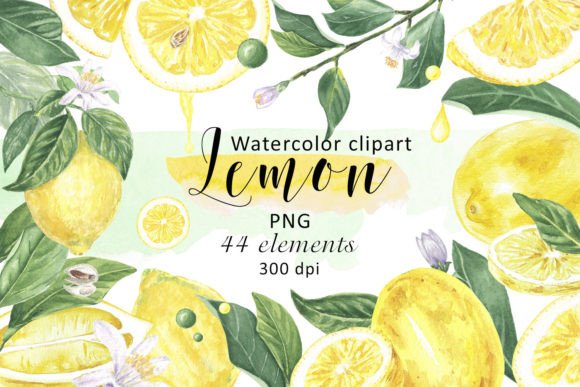
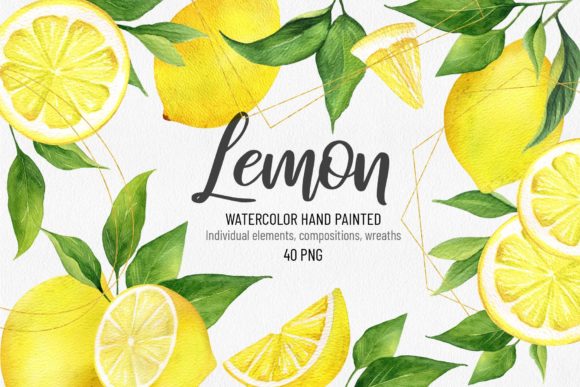
Before diving into the technicalities, it is essential to appreciate what makes this specific Watercolor lemons collection so valuable. This set is comprehensive, featuring 16 individual clipart elements, 13 curated citrus compositions, 6 intricate wreaths, and 6 sophisticated golden frames. The inclusion of both isolated elements and pre-assembled designs saves significant time. For instance, a busy entrepreneur creating packaging for a lemonade brand can use the pre-made compositions for immediate impact, while a scrapbooker might prefer the individual lemons to build a unique layout. The applications are nearly endless: think of home decor prints, fabric patterns, sticker sheets, labels, tags, and even web design elements. The key takeaway here is versatility. Do not limit your thinking to just one medium. These files are optimized for RGB color mode, making them vibrant on screens for digital marketing, blogs, and social media, yet they retain enough detail for high-quality printing on card stock, linens, and wallpaper.
Common Pitfalls in File Management and Software Compatibility
One of the most frequent sources of confusion arises immediately after purchase. Since this is a digital download only, no physical product will be shipped. Users often panic when they do not receive a package in the mail, not realizing the product is delivered via a zip file. Furthermore, many beginners overlook the necessity of knowing how to unzip files on their PC or Mac. If you attempt to open the compressed folder directly without extracting the contents, you may find that your design software cannot access the individual PNG or JPEG images. Always extract the entire folder to a dedicated location on your hard drive before beginning your work.
Another critical area where mistakes happen is software compatibility. You will need software that supports the use of PNG and JPEG files. While the description mentions compatibility with Canva, Adobe Photoshop, and Procreate, users sometimes try to force these files into vector-based programs like older versions of Illustrator without rasterizing them first, leading to pixelation issues upon scaling. Remember, these are high-resolution raster images, not vectors. They are perfect for most graphic software, but they have limits. If you need to enlarge a lemon element to the size of a billboard, the image may lose clarity. For standard uses like cards, invitations, and web graphics, the resolution is more than sufficient. Ensure your chosen platform handles transparency correctly; the PNG format is specifically chosen for this reason, allowing you to place lemons over colored backgrounds without unsightly white boxes.
Navigating Color Consistency and Print Expectations
Perhaps the most subjective yet crucial aspect of working with digital art is color management. A common disappointment occurs when the vibrant yellows and greens seen on a monitor look dull or shifted when printed. It is important to note that all files in this set are in RGB color mode unless noted otherwise. RGB is the standard for digital displays, but professional printing often utilizes CMYK. While modern printers handle RGB files well, variations are inevitable depending on your specific monitor calibration and printer settings.
To avoid dissatisfaction, always perform a test print. Print a single sheet on the actual material you intend to use—whether it is cardstock for invitations or fabric for home decor. This allows you to see how the ink interacts with the texture. If the colors appear too dark or washed out, adjust the brightness and contrast in your editing software before committing to a large run. Do not assume the screen is the absolute truth; treat it as a guideline. If you encounter significant discrepancies that seem like an error with the file itself, remember that the creator encourages communication. Reaching out with specific details about your setup can often resolve misunderstandings quickly.
Maximizing Design Efficiency with Pre-Made Compositions
Efficiency is the hallmark of a professional workflow. A mistake many hobbyists make is trying to rebuild the wheel by manually arranging individual lemons when high-quality compositions are already provided. The set includes 13 citrus compositions and 6 wreaths that have been artistically balanced for visual harmony. Using these pre-made elements ensures proper spacing and aesthetic flow, which can be difficult to achieve without formal design training. For example, when creating a wedding invitation, using one of the included wreaths as a border provides an instant frame of elegance that draws the eye to the text.
However, do not feel constrained to use them exactly as they are. The beauty of having individual elements alongside compositions is the ability to hybridize. You might take a wreath, remove a specific branch, and replace it with a different lemon angle from the individual set to better fit your text layout. This approach gives you the speed of a template with the customization of a bespoke design. Just be mindful of layering. When combining elements in software like Photoshop or Procreate, ensure your layers are organized. Naming your layers "Lemon Base," "Golden Frame," and "Text Overlay" can save you hours of troubleshooting if you need to make edits later.
Making the Right Choice for Your Project Needs
Before finalizing your decision to use this Watercolor Lemon Clipart Citrus Set PNG for a commercial product or a personal gift, evaluate the scope of your project. Are you designing for web or print? If for print, check the DPI (dots per inch) of the files to ensure they meet the requirements of your printing service. Most high-quality clipart sets provide 300 DPI, which is the industry standard for crisp printing. If you are using these for web design, the file sizes are likely optimized for fast loading, but double-check that the compression hasn't introduced artifacts.
Additionally, consider the licensing terms if you plan to sell products made with these images. While the set is perfect for creating items like stickers, labels, and packaging paper for sale, ensure you understand the boundaries of the license regarding resale of the raw files. You are purchasing the right to use the images in your designs, not to redistribute the clipart itself as a competing product. By respecting these guidelines and applying the technical advice above, you transform a simple download into a powerful asset for your creative journey. Whether you are a freelancer looking to expand your portfolio or a homeowner wanting to add a touch of summer to your kitchen linens, approaching this tool with knowledge ensures the best possible outcome.