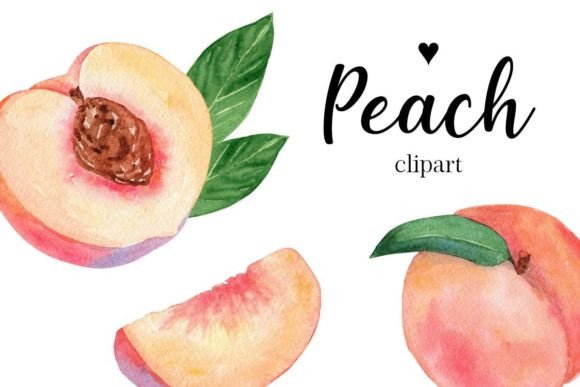
Evaluating Peach Watercolor Clipart for Professional and DIY Design Projects
When curating visual assets for creative projects, the choice of imagery often dictates the overall tone and professionalism of the final output. Peach watercolor clipart has emerged as a versatile resource for designers, crafters, and small business owners seeking a balance between warmth and sophistication. Unlike standard digital illustrations or rigid vector graphics, this specific style offers an organic, hand-painted aesthetic that resonates well with audiences looking for authenticity. Understanding the nuances of these assets—specifically high-resolution RGB PNG files—is essential for determining whether they align with your specific project requirements, whether for commercial printing, web design, or personal scrapbooking.
Defining the Aesthetic and Technical Specifications
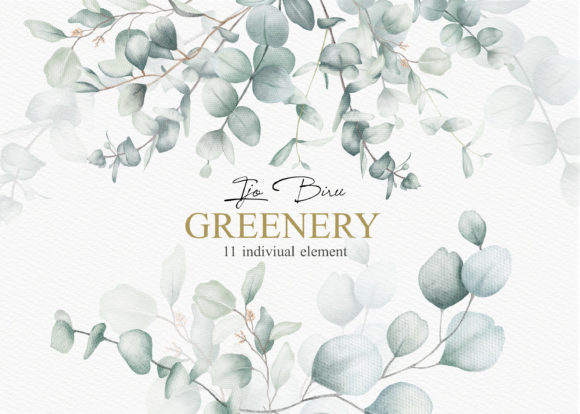
At its core, peach watercolor clipart refers to digital images that mimic the texture, transparency, and fluidity of traditional watercolor paint applied to paper, utilizing a palette dominated by soft orange, pink, and coral hues. However, not all digital representations of this style are created equal. The value of a premium collection lies in its technical specifications. High-quality sets typically provide RGB PNG files with separate images and transparent backgrounds. This format is critical because it allows the artwork to be layered over any surface without unsightly white boxes or jagged edges.
The resolution of these files is a primary differentiator. Professional-grade assets usually measure approximately 3000 x 3000 pixels, which translates to roughly 10×10 inches at 300 DPI (dots per inch). This density is the industry standard for physical printing. When you compare this to lower-resolution web graphics (often 72 DPI), the difference in print clarity is stark. A 300 DPI file ensures that when printed on wedding stationery, fabric, or heavy cardstock, the delicate gradients and pigment variations remain crisp rather than pixelated. For users evaluating resources, verifying these dimensions is the first step in ensuring the asset can handle both digital scaling and physical production.
Comparing Watercolor Styles to Vector and Flat Design
When deciding between peach watercolor clipart and other graphic styles, it is important to weigh the artistic intent against functional needs. Vector graphics, for instance, are mathematically defined paths that can be scaled infinitely without quality loss. They are ideal for large-format signage or logos requiring absolute geometric precision. However, vectors often lack the textural depth and emotional warmth that watercolor provides. The "bleed" effect inherent in watercolor—where colors softly merge into one another—creates a sense of movement and life that flat vector shapes cannot easily replicate without complex masking techniques.
Conversely, flat design or minimalist line art offers a modern, clean look but may feel too sterile for projects aiming for a romantic, vintage, or organic vibe. Peach watercolor clipart occupies a middle ground; it is detailed enough to serve as a focal point yet soft enough to act as a subtle background element. The trade-off here is editability. While you can change the color of a vector instantly, modifying the hue of a rasterized watercolor PNG requires more advanced photo editing skills. Therefore, if your project demands frequent color swapping across various brand applications, a vector alternative might be superior. However, if the goal is immediate visual impact with a handcrafted feel, the watercolor approach is often the better fit.
Assessing Suitability for Print vs. Digital Applications
The versatility of peach watercolor clipart extends across both physical and digital mediums, but the execution differs for each. For physical applications such as planner stickers, paper crafting, decoupage, and fabric printing, the 300 DPI resolution is non-negotiable. These projects involve ink absorption and texture interaction; a high-resolution file ensures the subtle variations in the peach tones translate accurately to the material. Whether creating announcement cards or logos for packaging, the transparency of the PNG format allows the design to integrate seamlessly with textured papers or colored fabrics.
In the realm of digital design, such as blog headers, website patterns, or social media overlays, the same files offer flexibility through resizing. Although web screens typically display at 72 DPI, starting with a 300 DPI source file gives you the freedom to crop and zoom without degrading image quality. Photo overlays, for example, benefit from the semi-transparent nature of watercolor textures, allowing underlying images to show through slightly for a dreamy effect. However, users must be mindful of file size. High-resolution PNGs can be large, potentially slowing down webpage load times if not optimized. A practical approach is to keep the master 3000x3000 files for archival and printing purposes while exporting compressed versions specifically for web use.
Ideal Use Cases and Project Fit
Determining when to utilize peach watercolor clipart involves analyzing the target audience and the message of the project. This style is particularly effective for industries and events associated with warmth, growth, and celebration. Wedding stationery and invitations frequently leverage these tones to evoke romance and softness. Similarly, digital and physical scrapbooking projects benefit from the organic shapes that mimic real-life flora and fauna, adding a nostalgic touch to memory keeping.
For entrepreneurs, these assets are invaluable for branding in sectors like wellness, beauty, parenting, and artisanal food. A logo incorporating a peach watercolor element suggests approachability and natural ingredients. In contrast, corporate finance or heavy industrial sectors might find this style too informal. Additionally, the "peach" color spectrum itself carries psychological weight; it is often associated with energy, creativity, and friendliness without the aggression of bright red or the passivity of pale pink. When designing planner stickers or organizational tools, this color psychology can make the items feel inviting rather than demanding.
Limitations and Decision Factors
While peach watercolor clipart offers numerous advantages, it is not a universal solution. One significant limitation is color consistency across different output devices. Watercolor relies on subtle gradients and mixed pigments, which can vary significantly between monitor screens (RGB) and printers (CMYK). Without proper color profiling, the vibrant peach tones might print duller or shift towards brown. Users planning large print runs should always request a proof or test print a single sheet before committing to a full production.
Furthermore, the distinctiveness of the style means it can become ubiquitous if overused. Because watercolor florals and fruits are popular trends, there is a risk of designs looking generic. To mitigate this, creators should look for sets that offer unique compositions or combine the clipart with other elements like typography or geometric shapes. Finally, consider the licensing terms. While many sets allow for broad DIY and commercial use, restrictions may apply regarding resale of the raw files or usage in trademarked logos. Always review the specific license agreement to ensure compliance.
Making an Informed Selection
Ultimately, choosing peach watercolor clipart is a decision based on the desired emotional resonance of your project and the technical demands of your medium. If your goal is to create something that feels handmade, warm, and visually rich, and you require assets capable of high-quality printing at 300 DPI, this format is an excellent investment. It bridges the gap between digital convenience and traditional artistry. However, if your project requires infinite scalability, strict brand color matching, or a ultra-modern aesthetic, you may need to explore vector alternatives or different artistic styles. By evaluating the resolution, transparency, and stylistic fit, you can ensure that these beautiful assets enhance rather than hinder your creative vision.