Elevating Holiday Projects with Professional Christmas Sublimation Designs
The holiday season represents a unique convergence of personal creativity and commercial opportunity. For entrepreneurs, hobbyists, and content creators, the period leading up to December is not merely about celebration; it is a critical workflow phase where planning, asset acquisition, and execution determine success. At the heart of many successful seasonal projects lies the strategic use of Christmas sublimation designs. These digital assets serve as the foundational layer for a wide array of physical and digital products, bridging the gap between a conceptual idea and a tangible, high-quality outcome. Understanding how to integrate these designs into your existing processes can significantly enhance efficiency, consistency, and the overall quality of your final deliverables.
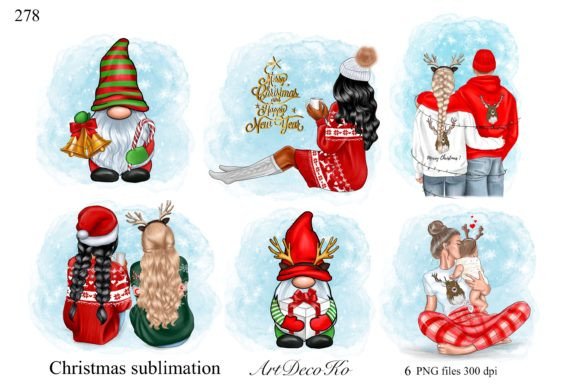
When we discuss Christmas sublimation designs, we are referring to high-resolution digital graphics specifically optimized for the dye-sublimation printing process. Unlike standard print files, these assets must meet rigorous technical standards to ensure vibrant color reproduction and durability on substrates like polyester fabrics, coated ceramics, and specialized polymers. The value of utilizing a curated collection of these designs extends beyond aesthetics; it streamlines the production pipeline. By starting with files that are already vetted for resolution and format compatibility, creators eliminate the time-consuming steps of image sourcing, upscaling, and background removal, allowing them to focus on application and customization.
Strategic Asset Selection and Technical Specifications
The efficacy of any sublimation project begins long before the heat press is warmed up. It starts with the selection of appropriate digital assets. A professional workflow demands files that offer flexibility and fidelity. High-quality Christmas sublimation designs typically come in RGB PNG format with transparent backgrounds. This specific file structure is crucial for several reasons. First, the RGB color space ensures the widest possible gamut for bright, festive colors that pop against various backgrounds. Second, the transparency allows for seamless integration onto colored or patterned blanks without unsightly white boxes surrounding the graphic.
Consider the technical specifications required for scalable production. A robust design pack should offer a range of object sizes, varying from smaller elements around 500x500 pixels suitable for stickers or small embellishments, up to large-format images reaching 1900x3000 pixels. This variance is essential for versatility. A single design element might need to be scaled down for a gift tag or scaled up for a full-wrap tumbler or wall art. Furthermore, a resolution of 300 DPI (dots per inch) is the industry standard for crisp printing. Files below this threshold often result in pixelation when enlarged, compromising the professional look of the final product. Ensuring your source files meet these criteria is a non-negotiable step in quality control.
Integration Across Diverse Creative Workflows
The utility of Christmas sublimation designs extends far beyond traditional apparel. In a modern creative workflow, these assets act as modular components that can be deployed across multiple channels. For small business owners and freelancers, the ability to repurpose a single high-quality image across different product lines maximizes the return on investment for each design purchase.
- Fabric and Apparel: The primary use case remains custom clothing, tote bags, and home textiles. The designs transfer cleanly onto polyester blends, creating permanent, wash-safe imagery.
- Paper Crafts and Stationery: While sublimation is known for hard goods, these high-res PNGs are equally effective for printable invitations, greeting cards, and scrapbook pages. The 300 DPI resolution ensures sharp text and fine details on cardstock.
- Web and Digital Marketing: Because the files are RGB and transparent, they are immediately ready for web design, blog headers, and social media graphics. Marketers can maintain visual consistency between their physical products and their online holiday campaigns.
- DIY and Decor: From custom gift wrapping to wall art and ornaments, these designs empower hobbyists to create personalized decor that matches their specific theme without needing advanced illustration skills.
This cross-platform compatibility means that a creator can develop a cohesive "Holiday Collection" brand identity. The same reindeer motif used on a mug can be resized and placed on a website banner, ensuring that customers recognize the brand whether they are browsing an Etsy shop or visiting a physical craft fair.
Software Compatibility and Workflow Efficiency
A smooth production process relies heavily on tool compatibility. Professional Christmas sublimation designs are engineered to work seamlessly within the ecosystem of industry-standard software. Whether you are using Adobe Photoshop for complex photo manipulation, Adobe Illustrator for vector-based scaling, or Affinity Designer as a cost-effective alternative, the PNG format ensures universal readability.
For those managing larger projects or collaborating with teams, compatibility with tools like Adobe InDesign is vital for layout creation, while Adobe XD and Sketch facilitate the design of digital mockups and user interfaces. Even video editors using After Effects can incorporate these static images into motion graphics for holiday promotions. This broad compatibility reduces friction in the workflow. There is no need for cumbersome file conversion plugins or worrying about proprietary formats that might corrupt data. You can import the asset, position it, apply necessary adjustments, and move immediately to the output phase.
Efficiency is also gained through organization. When working with a set of six unique, high-quality files, it is beneficial to establish a structured folder system before beginning. Categorize assets by theme (e.g., "Traditional," "Modern," "Whimsical") or by intended substrate. This preparatory step prevents decision fatigue during the design phase and accelerates the transition from concept to execution.
Practical Implementation and Quality Control
Implementing these designs effectively requires attention to the nuances of the sublimation process itself. Even with perfect source files, the final outcome depends on how the design is prepared for printing. Always mirror your image horizontally before printing if the design contains text or directional elements, as the sublimation transfer reverses the image upon pressing.
Color management is another critical factor. Monitors display colors in RGB, while printers often utilize CMYK inks, though sublimation printers are calibrated differently. It is advisable to run test prints on sublimation paper to verify color accuracy before committing to a full batch of expensive blanks. The high quality of the source PNGs provides a solid baseline, but environmental factors like heat press temperature, pressure, and time will influence the final vibrancy. Documenting these variables for each type of product creates a repeatable process, ensuring consistency across all items produced.
Furthermore, consider the longevity of your assets. Investing in unique, high-resolution designs allows for long-term use. Unlike trend-specific clip art that may feel dated quickly, well-crafted Christmas sublimation designs often feature timeless elements that can be reused year after year. By storing these files in a cloud-backed archive, you build a library of resources that reduces the need for new purchases in future seasons, thereby improving profit margins and reducing administrative overhead.
Maximizing Value Through Versatility
The true power of a comprehensive design pack lies in its adaptability. A set of six unique images offers enough variety to create a diverse product lineup without overwhelming the creator with too many choices. This balance is ideal for maintaining a focused brand aesthetic. For educators teaching digital arts or crafting, these files serve as excellent teaching tools, allowing students to practice layering, masking, and color correction on professional-grade assets.
For marketers, the speed at which these assets can be deployed is a competitive advantage. During the hectic holiday rush, the ability to quickly generate new visuals for ads, emails, or product listings can capture fleeting consumer attention. The transparent background feature is particularly useful here, allowing designers to overlay holiday graphics onto existing product photography without needing a full reshoot.
In conclusion, integrating professional Christmas sublimation designs into your workflow is a strategic move that enhances both creative potential and operational efficiency. By prioritizing high-resolution, compatible, and versatile assets, you lay the groundwork for a successful holiday season. Whether you are producing physical goods for sale, creating digital content for engagement, or pursuing personal DIY projects, the quality of your input directly dictates the quality of your output. Embrace these tools not just as images, but as essential components of a streamlined, professional creative process.